In this article
When a seller says they make 50% on their products, they may mean two very different things. Do they add 50% on top of cost? Or is half the selling price net profit? The difference is big, and understanding it is essential for anyone running a store.
What is markup?
Markup is how much you add on top of cost, expressed as a percentage of the cost itself: Markup = profit ÷ cost × 100. If you buy a product for 50 and sell it for 75, you added 25, so the markup is 50%.
What is margin?
Profit margin is profit as a percentage of the selling price: Margin = profit ÷ selling price × 100. In the same example, profit is 25 and the price is 75, so the margin is 33.3%.
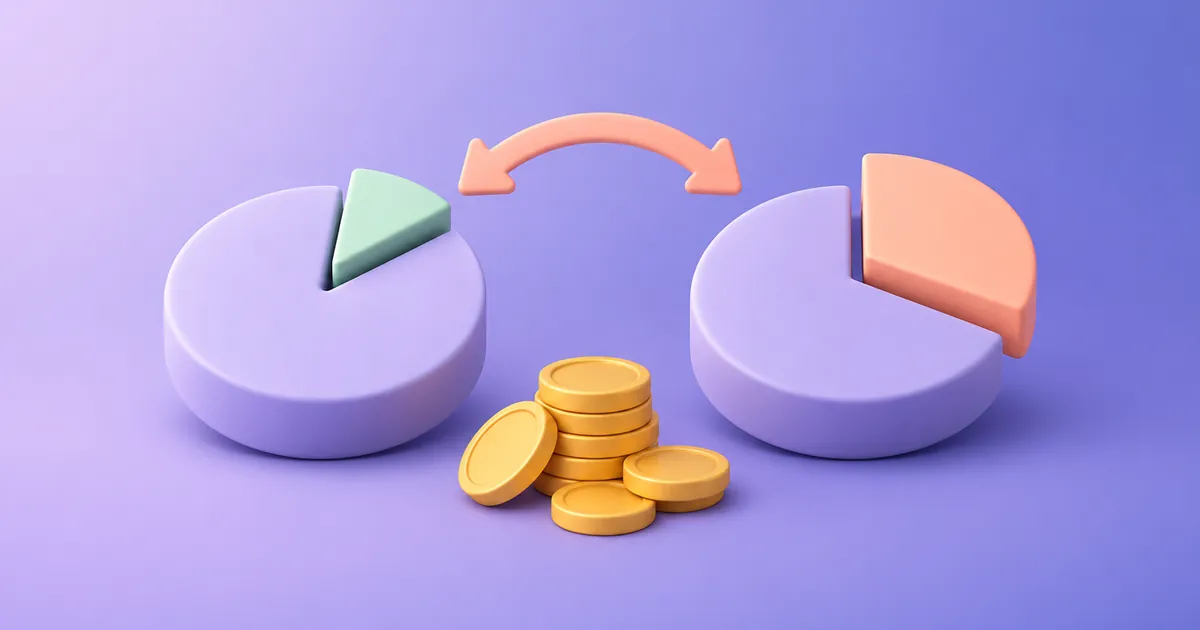
The same product has a 50% markup and a 33.3% margin. Markup is always higher than margin because it is divided by a smaller number (the cost).
Quick conversion table
| Markup | Equivalent margin |
|---|---|
| 25% | 20% |
| 50% | 33.3% |
| 66.7% | 40% |
| 100% | 50% |
| 150% | 60% |
| 300% | 75% |
Conversion formulas: Margin = Markup ÷ (1 + Markup) and Markup = Margin ÷ (1 − Margin).
Why does it matter?
Imagine you know your operating expenses (ads, subscriptions, salaries) take 30% of your sales, so you add 30% on top of each product’s cost to cover them. The result? Your real margin is only 23%, less than your expenses, and you lose money on every sale while thinking you are breaking even.
Operating expenses are always expressed as a percentage of sales, so compare them with margin, not markup.
Which one should you use?
- Use margin to analyze profitability, compare it with expenses and set your ad budget.
- Use markup as a quick pricing method if you know the margin it corresponds to.
The easiest way to avoid mistakes is our profit margin calculator, which shows both numbers for any cost and price you enter.
A real example: a digital product
A seller of printable files sells a file for $6, and the actual cost (platform and payment fees) is about $1.10. Profit is $4.90, the margin is 81.7%, while the markup exceeds 445%. The markup looks huge but tells you little; the margin tells you directly that you keep about 82 cents of every dollar.
Summary
Margin is measured against the selling price, markup against the cost. Make margin the number you base decisions on, and always check which figure partners or suppliers mean when they talk about profit.